
Sustainable filmmaking is all about being creative while keeping our planet in mind. Start by thinking about the stories you want to tell and how they connect to sustainability. For instance, choose topics that highlight environmental issues, or bring attention to voices that are often overlooked. This not only makes your film engaging but also spreads awareness about important issues.
If you're looking for guidance as you embark on this journey, grab a copy of "So You Want To Be A Documentary Filmmaker." This book is perfect for aspiring filmmakers who want practical advice and insight on how to craft impactful stories while staying eco-conscious. It will walk you through the ins and outs of documentary filmmaking, helping you find ways to reduce your carbon footprint along the way.

So You Want To Be A Documentary Filmmaker
Learn the essentials of filmmaking and storytelling from real-life examples.
Product information
Our review: 4.0 out of 5
Product links
When it comes to filming gear, consider options that are energy-efficient. Look for LED lights instead of traditional bulbs; they use less power and last longer. A good wireless headset with a boom mic is also a smart choice, as it minimizes the need for extra equipment. This way, you can keep your setup lean and focused on the essentials, all while keeping your energy usage low.
Connect with others who are passionate about sustainable practices. Join workshops or community groups focused on green filmmaking. Not only will you learn from seasoned pros, but you’ll also gain access to resources that can help you implement eco-friendly practices into your projects. Networking with like-minded creatives can inspire new ideas and collaborations that make a positive impact.
Eco-Friendly Gear Every Filmmaker Needs
When diving into the world of filmmaking, it’s important to consider eco-friendly options that don’t compromise on quality. Here’s a list of gear that every filmmaker should think about adding to their toolkit.
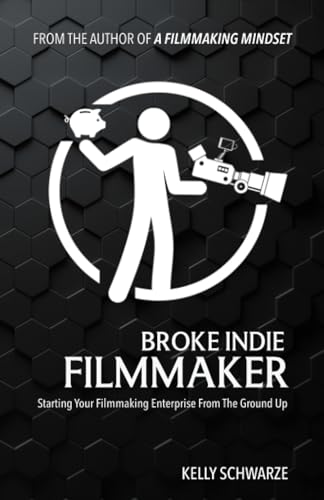
Broke Indie Filmmaker: Build Your Filmmaking Career
This guide offers practical steps to kickstart your filmmaking journey without breaking the bank.
Product information
Our review: 4.0 out of 5
Product links
First up, look for biodegradable gaffers tape. This might sound small, but when you’re taping down cables and securing props, traditional tape can leave a nasty footprint. Biodegradable options break down naturally, making them a sustainable choice. Stock up on a few rolls for your next shoot, and you’ll feel good knowing you're reducing waste.
Next, consider investing in a reusable camera bag made from recycled materials. This not only protects your gear but also keeps plastic out of landfills. Choose a bag that has enough space for your camera, lenses, and accessories while being comfortable to carry around during long shooting days.
Another essential is a solar charger. Filmmaking can drain your devices quickly, especially when you're on location and away from outlets. A portable solar charger helps keep your camera, phone, and other electronics powered without relying on fossil fuels. Look for one that’s compact and designed for outdoor use, so you can stay charged up no matter where your shoot takes you.
Finally, don’t forget about educational resources that promote sustainable filmmaking practices. "Broke Indie Filmmaker: Build Your Filmmaking Career" is a great option for those who want to learn how to manage a film project sustainably. It mixes practical advice with budget-friendly tips, helping you navigate your creative journey while keeping the planet in mind.
Green Production Practices You Can Implement
Embracing green production practices can make a real difference for aspiring filmmakers. Start by planning your shoots with sustainability in mind. Use digital scripts and call sheets instead of printing out piles of paper. This simple switch saves trees and cuts down on waste. When you do need paper, go for recycled options.
Next, think about your transportation options. If you can, choose locations that are easy to access or consider carpooling with the crew. This not only reduces your carbon footprint but also creates a sense of teamwork among your crew. For larger productions, think about renting electric vans or trucks that run on alternative fuels.
You can also make smart choices when it comes to your gear. Look for energy-efficient lighting options, like LED lights, which use less power and last longer than traditional bulbs. If you’re using a generator for power, consider one designed to be eco-friendlier.
Adding eco-friendly food and drink options for your crew is another easy way to be more sustainable. Aim for local, organic catering to reduce transportation and avoid single-use plastics. Get reusable water bottles for everyone to cut down on waste from plastic bottles.
Finally, involve your entire team in your green initiatives. Host a quick crew meeting at the start of your project to discuss what everyone can do to be more eco-conscious. Encourage suggestions and input on sustainable practices everyone can follow. When everyone’s on board, your production can run smoothly while being kinder to the planet.
Resources to Support Sustainable Filmmaking
When diving into sustainable filmmaking, it's great to have resources on hand that help you along the way. One excellent resource is “So You Want To Be A Documentary Filmmaker.” This guide offers insights into how to approach filmmaking with a conscious mindset, covering everything from research to distribution, all while emphasizing eco-friendly practices within the documentarian's journey.
If you’re looking to build a filmmaking career with sustainability in mind, consider “Broke Indie Filmmaker: Build Your Filmmaking Career.” This book is packed with practical tips aimed at indie filmmakers working with tight budgets. It addresses how to leverage local resources and collaborate with other creatives, keeping your production eco-conscious.
For those focused on performance and acting, “Theatre Games for Young Performers: Improvisations” can come in handy. While it doesn't focus strictly on sustainability, adopting improvisational techniques can help minimize waste during rehearsals and shoots by encouraging flexibility and creativity. This way, you can make do with what you have and avoid excess materials.
Lastly, don’t overlook the power of learning through collaboration. Engage with online communities and workshops focused on sustainable practices in filmmaking. You can find them on social media platforms or specialized forums. Sharing ideas and experiences with fellow filmmakers can ignite inspiration and help you adopt more eco-friendly practices on your projects.


